Table of Contents
- Start by Deciding What the Space Is For
- Get the Groundwork Right First
- Know the Codes Before You Build
- Basement Design Ideas by Room
- Home Theater or Media Room
- Game Room
- Children's Playroom
- Guest Room or Guest Suite
- Home Office or Study
- Home Gym
- Craft, Hobby, or Sewing Studio
- Small Kitchenette or Hospitality Space
- Match the Idea to Your Household
- Bringing Your Basement Design Together
- Frequently Asked Questions
Planning tips, room-by-room inspiration, and the codes to know — from home theaters and guest suites to playrooms, gyms, and craft studios.
Summary: Key Takeaways
- A finished basement is a cost-effective way to add usable square footage.
- Start with a clear purpose so layout, lighting, and materials have direction.
- Address moisture, ventilation, insulation, and flooring before decorative finishes.
- Know the code basics for ceiling height, light, ventilation, permits, and egress.
- Popular uses include theaters, guest suites, playrooms, offices, gyms, and studios.
- Use proper drywall and build in phases if budget is tight.
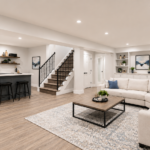
A basement is often the most underused space in a house — a catch-all for storage, laundry, and forgotten boxes. With a little vision and careful planning, it can become the room your family gravitates to: a movie night retreat, a guest suite, a playroom, a quiet home office, or a personal studio. Because the basement is the one space where you can do almost anything, the hardest part is usually deciding what you want it to be.
This guide walks through how to plan a basement remodel, the practical groundwork that protects your investment, and a dozen design ideas to suit different households. If you already know the room you want, our finished basement ideas and basement flooring ideas guides pair well with this one.
Start by Deciding What the Space Is For
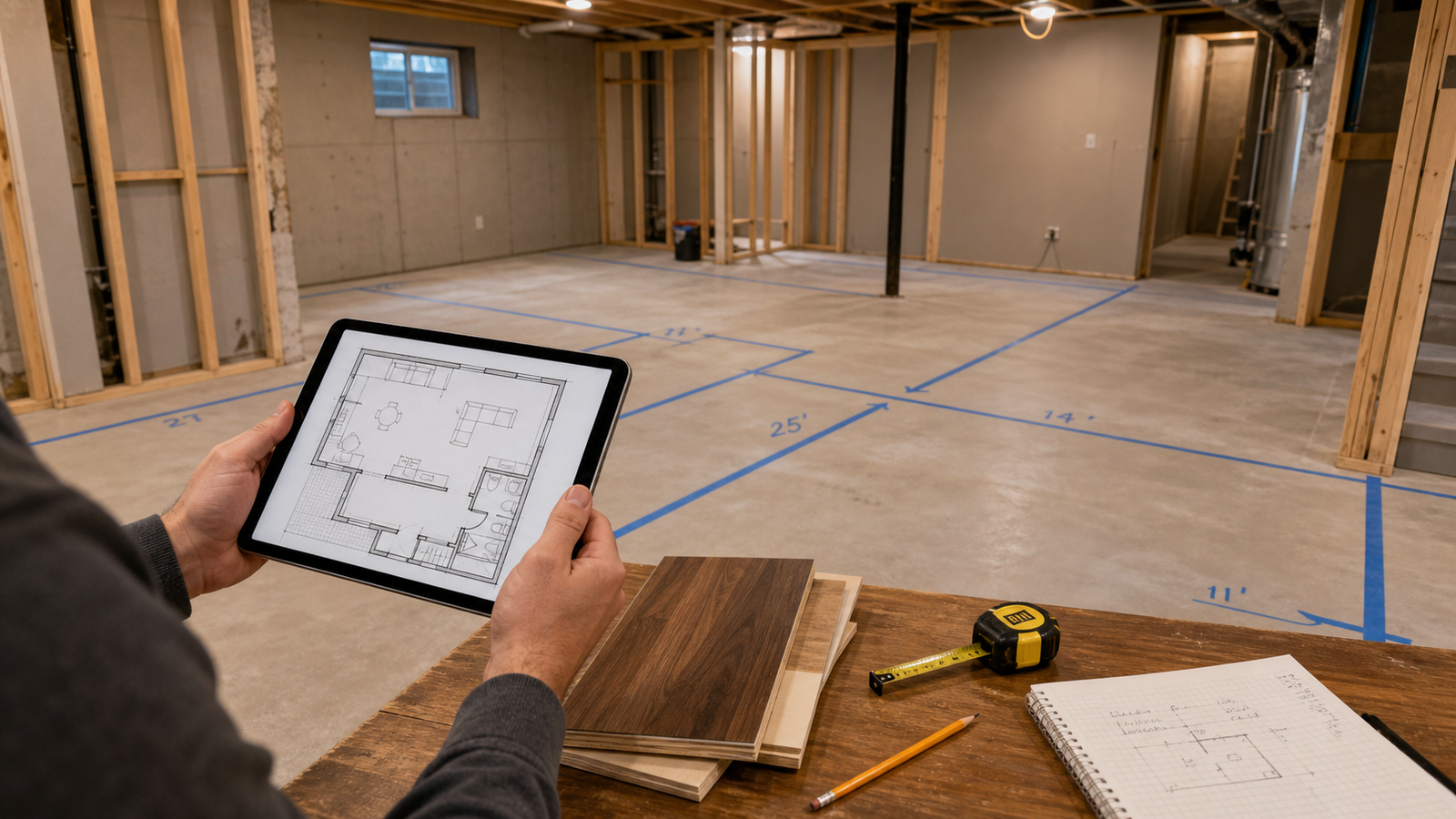
Before you choose paint or furniture, decide how the basement will be used. A detailed plan saves you from wasted time and money mid-project, especially on a DIY remodel. Be brave and specific about the room's purpose: if you cannot put it in a single word, describe what you want to do there, and let that drive the layout. The right decision pays off for years; the wrong one is an expensive thing to undo.
Walk the space and take notes. Measure the footprint and ceiling height, mark where mechanicals, windows, and the staircase land, and notice how light moves through the room. Those constraints will shape what is realistic and point you toward the best use.
Get the Groundwork Right First
The least glamorous steps determine whether your finished basement stays comfortable and healthy. Handle these before the decorative finishes go in.
Moisture and Ventilation
Basements trap humidity, which can lead to mold and mildew if air does not move. Plan for cross-ventilation and air vents, and add mechanical ventilation or a dehumidifier where needed. The U.S. EPA's mold and moisture guidance explains how to keep humidity in check, and because basements sit below grade it is also wise to review the EPA's radon guidance and test before you finish the space.
Walls: Choose Drywall Over Thin Paneling
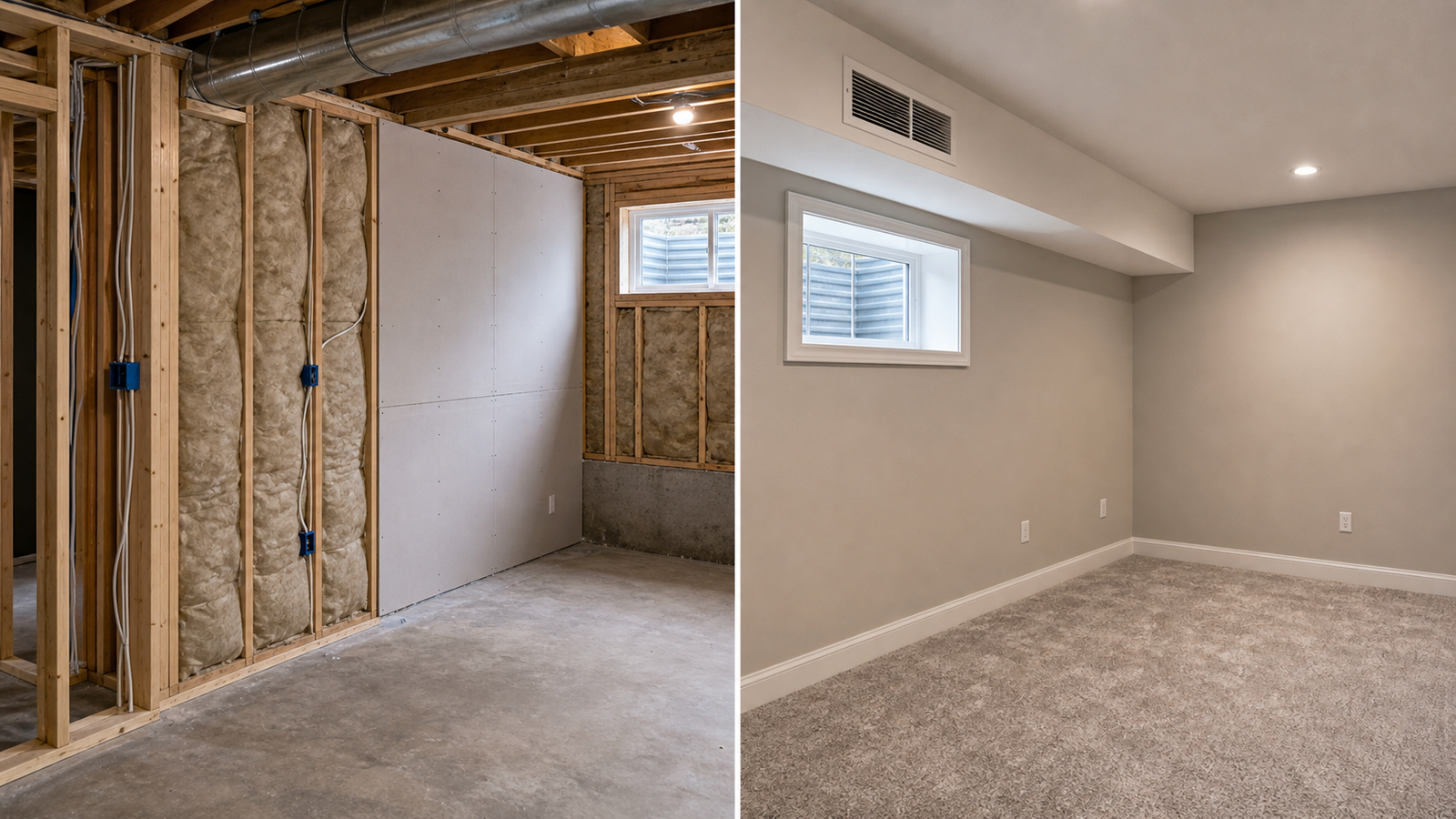
Some homeowners simply panel over basement walls, but that leaves a thin, flimsy result. Installing drywall over proper framing gives you durable walls you can paint or wallpaper any color, and which can hold shelves, art, and fixtures. If you love a paneled look, panel over the drywall rather than using it alone.
Insulation, Floors, and Comfort
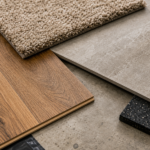
Insulate framed walls for warmth and quiet, and plan a floor that suits a cool slab. A bare concrete floor feels cold underfoot, so most basements benefit from an insulated subfloor plus a warm finish. Our best flooring for basements guide compares vinyl, carpet, tile, engineered wood, and more, with the moisture trade-offs that matter below grade.
Know the Codes Before You Build
A finished basement is a construction project, and a few code requirements shape what is possible. Rules vary by location and local codes take precedence, so confirm everything with your building department first.
Ceiling Height
The International Residential Code (IRC), from the International Code Council, sets a minimum finished ceiling height of 7 feet for habitable basement spaces and hallways (Section R305), while non-habitable areas need 6 feet 8 inches, and beams, ducts, or pipes may project down to 6 feet 4 inches. Plan soffits and lighting around your real headroom.
Light, Ventilation, and Heat
Habitable rooms generally must have natural light equal to about 8 percent of the floor area and operable ventilation equal to about 4 percent, though artificial light and mechanical ventilation can substitute in many jurisdictions. Habitable rooms also need a heat source capable of maintaining a comfortable temperature.
Egress for Sleeping Rooms
If your design includes a bedroom, it must have an emergency escape and rescue opening. Under IRC Section R310, that means a minimum net clear opening of 5.7 square feet, at least 24 inches high and 20 inches wide, with a sill no more than 44 inches above the floor; a below-grade window also needs a compliant window well. Budget for an egress window if the basement does not already have one.
Permits
Framing, new electrical circuits, and any plumbing almost always require permits and inspections. Skipping them can cause problems with insurance and at resale. Resources like Angi's finished-basement code overview outline the process, but your local building department has the final word.
Basement Design Ideas by Room
Here are some of the most popular and rewarding ways to use a finished basement. Mix and match to fit your household.
Home Theater or Media Room
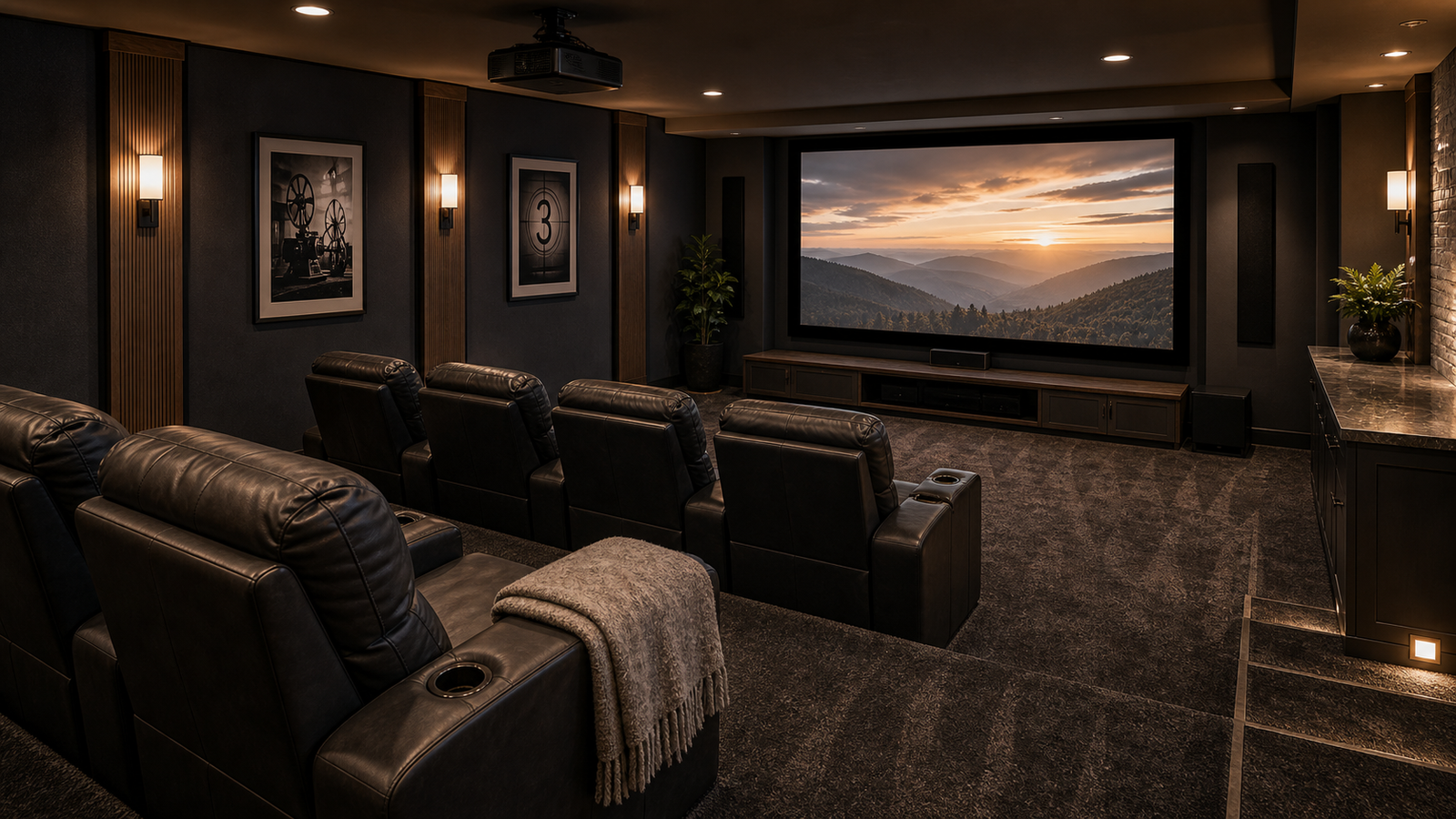
The basement's natural lack of daylight and its seclusion make it the ideal home theater. Add a large screen or projector, comfortable tiered seating, and blackout-friendly walls, and soundproofing keeps the noise from traveling upstairs. Soft, sound-absorbing flooring helps; see our best flooring for basements for theater-friendly options.
Game Room
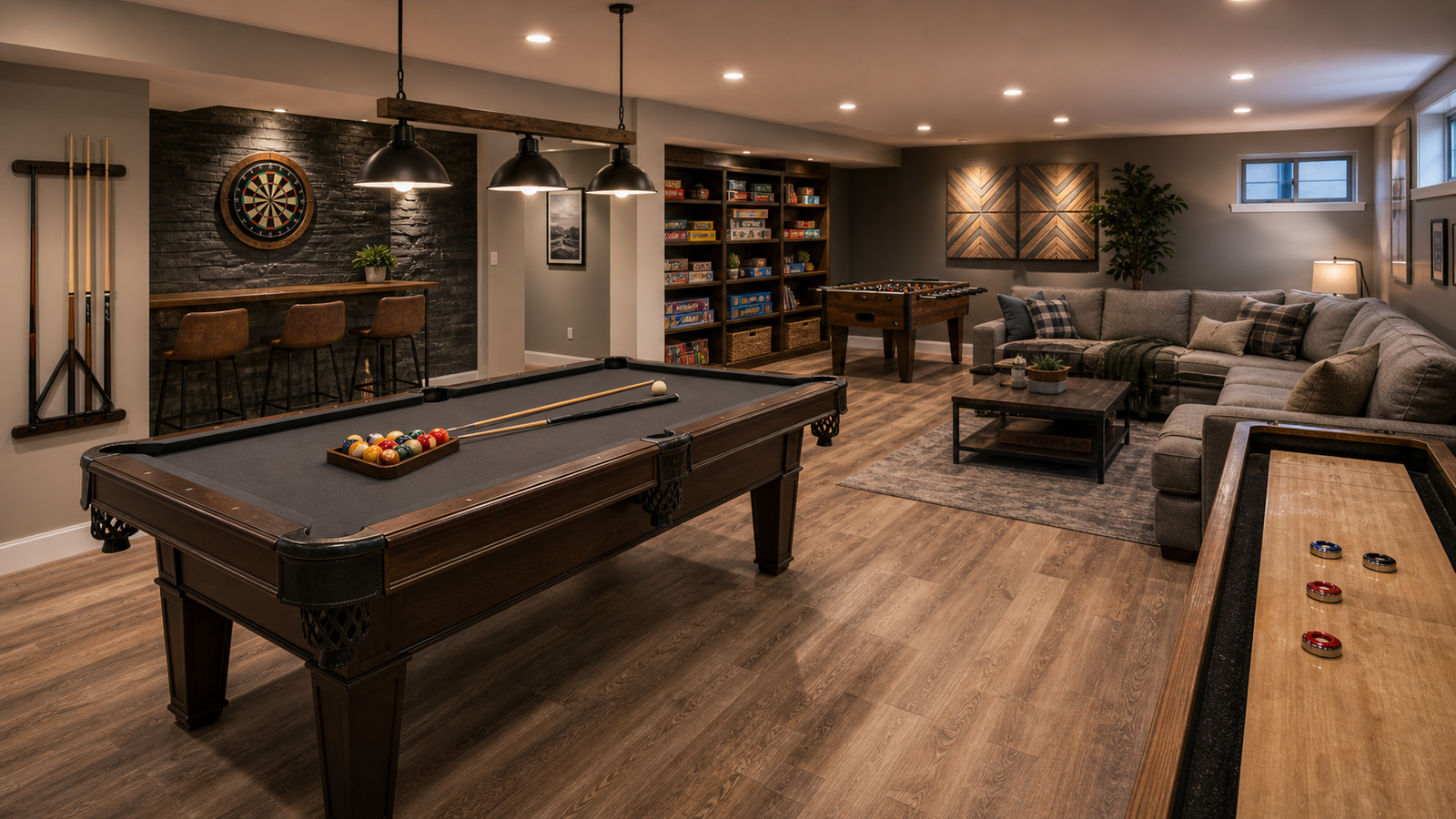
A game room and a basement are a match made for play. Set up surround sound and in-ceiling speakers for immersive gaming, leave room for a pool or foosball table, and choose durable, spill-resistant flooring. Good lighting you can dim for screen play and brighten for tabletop games makes the room flexible.
Children's Playroom
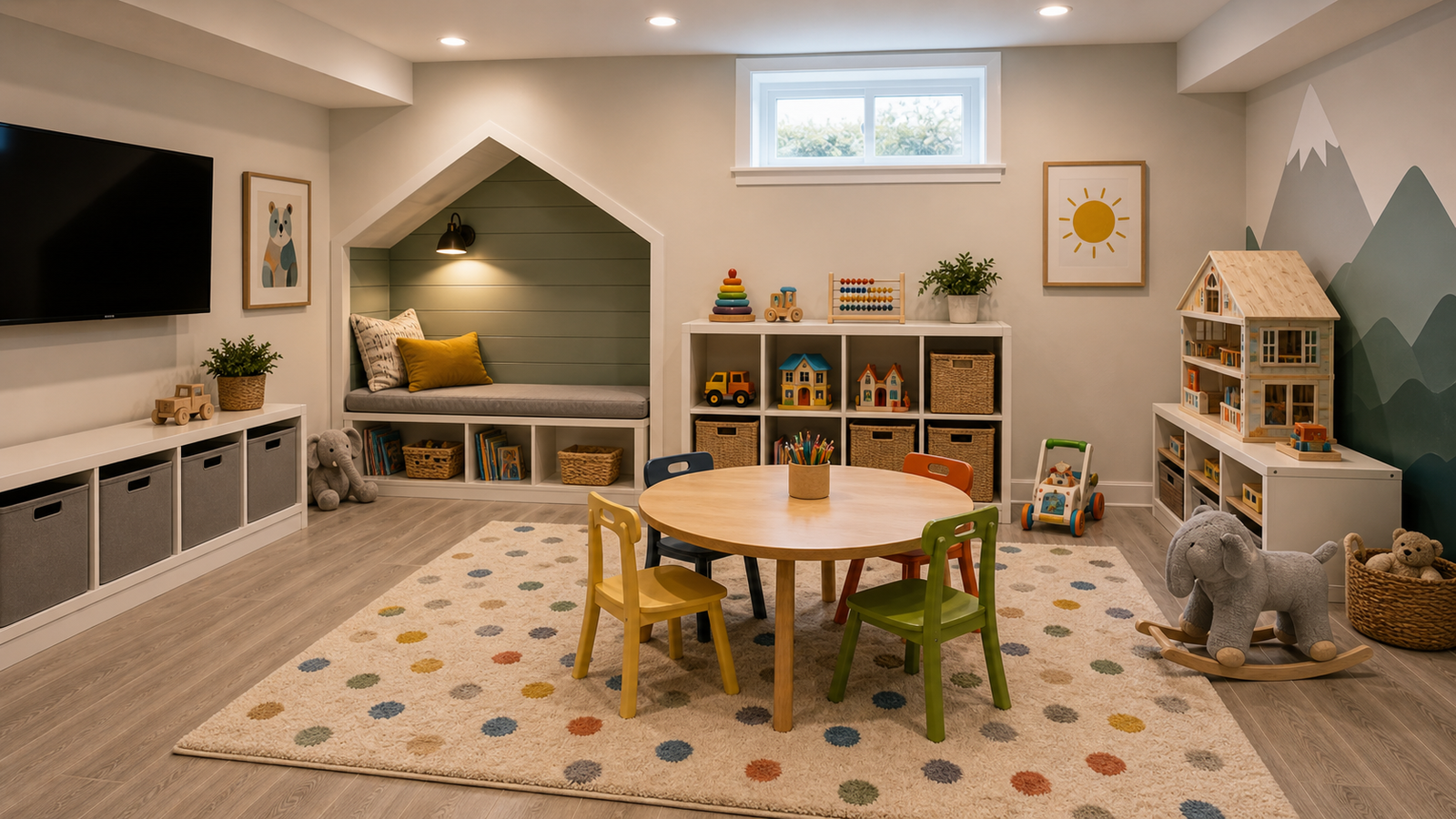
If toys are taking over the main floor, a basement playroom gives kids room to spread out and finally set up that train set. Prioritize soft, cushioned flooring, rounded furniture, accessible storage bins, and plenty of light. Keeping the layout open and supervised-friendly makes it work for a range of ages.
Guest Room or Guest Suite
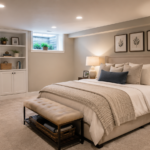
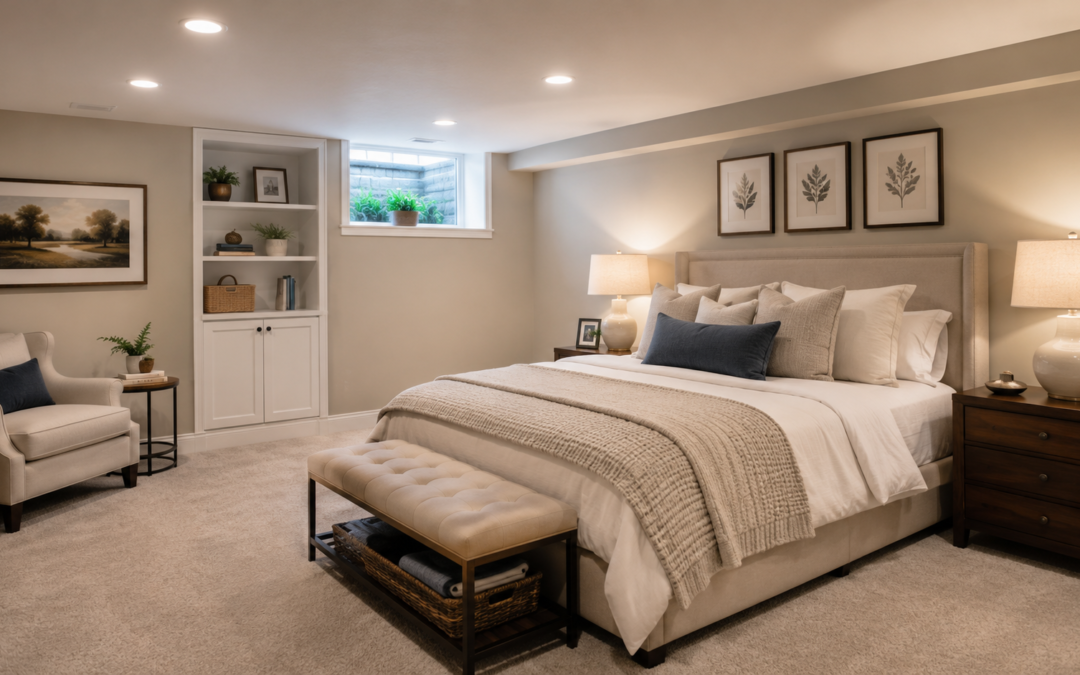
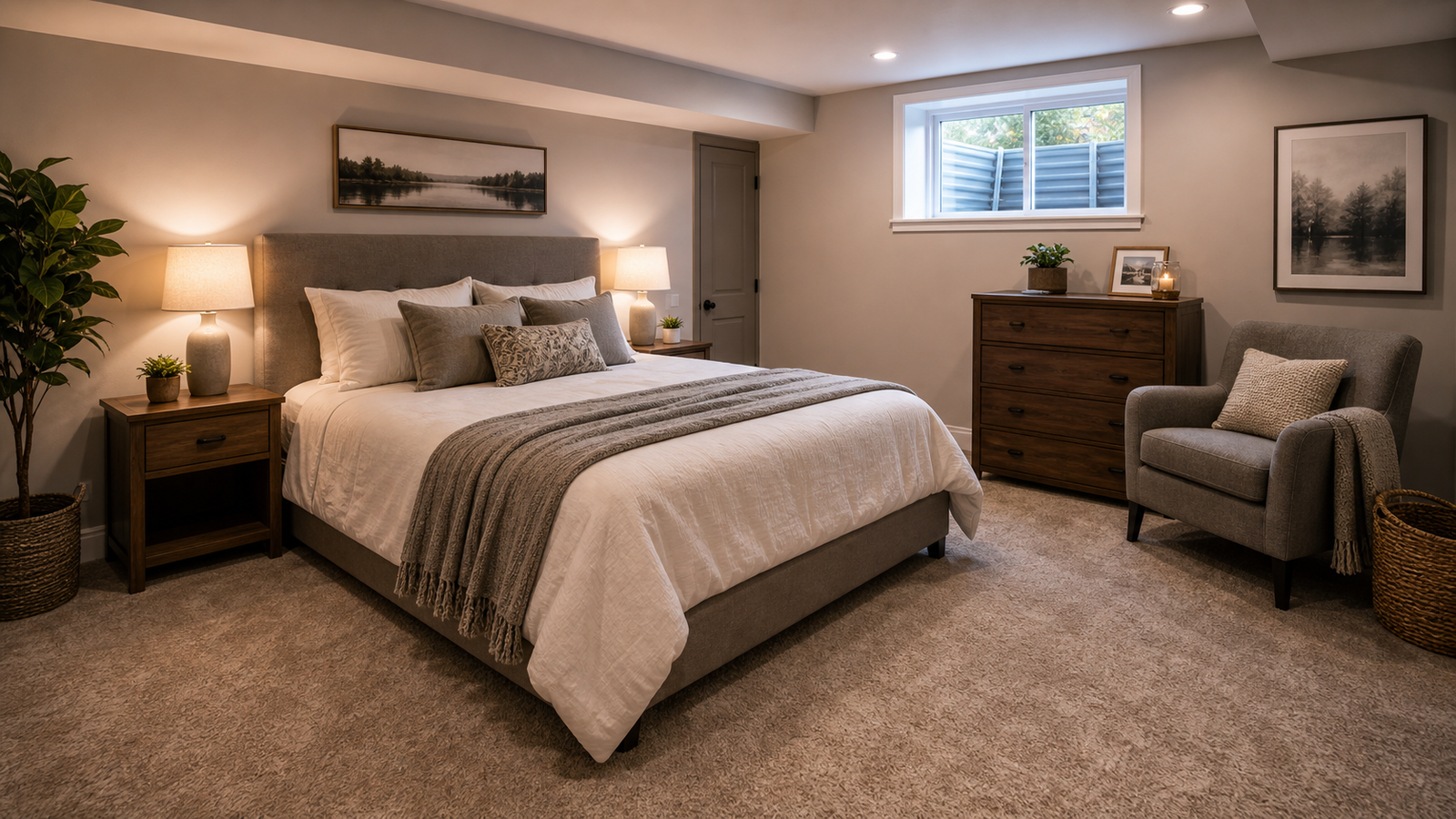
If you host family often, a basement guest room is a gracious upgrade, and because the basement is usually already plumbed, adding a bathroom is rarely difficult. Use proper drywall, warm flooring, and simple, restful décor — a comfortable bed, a small dresser, soft lighting, and a few framed photos. Remember that to function as a true bedroom it needs code-compliant egress, as covered above. For finishing inspiration, see our basement bedroom ideas.
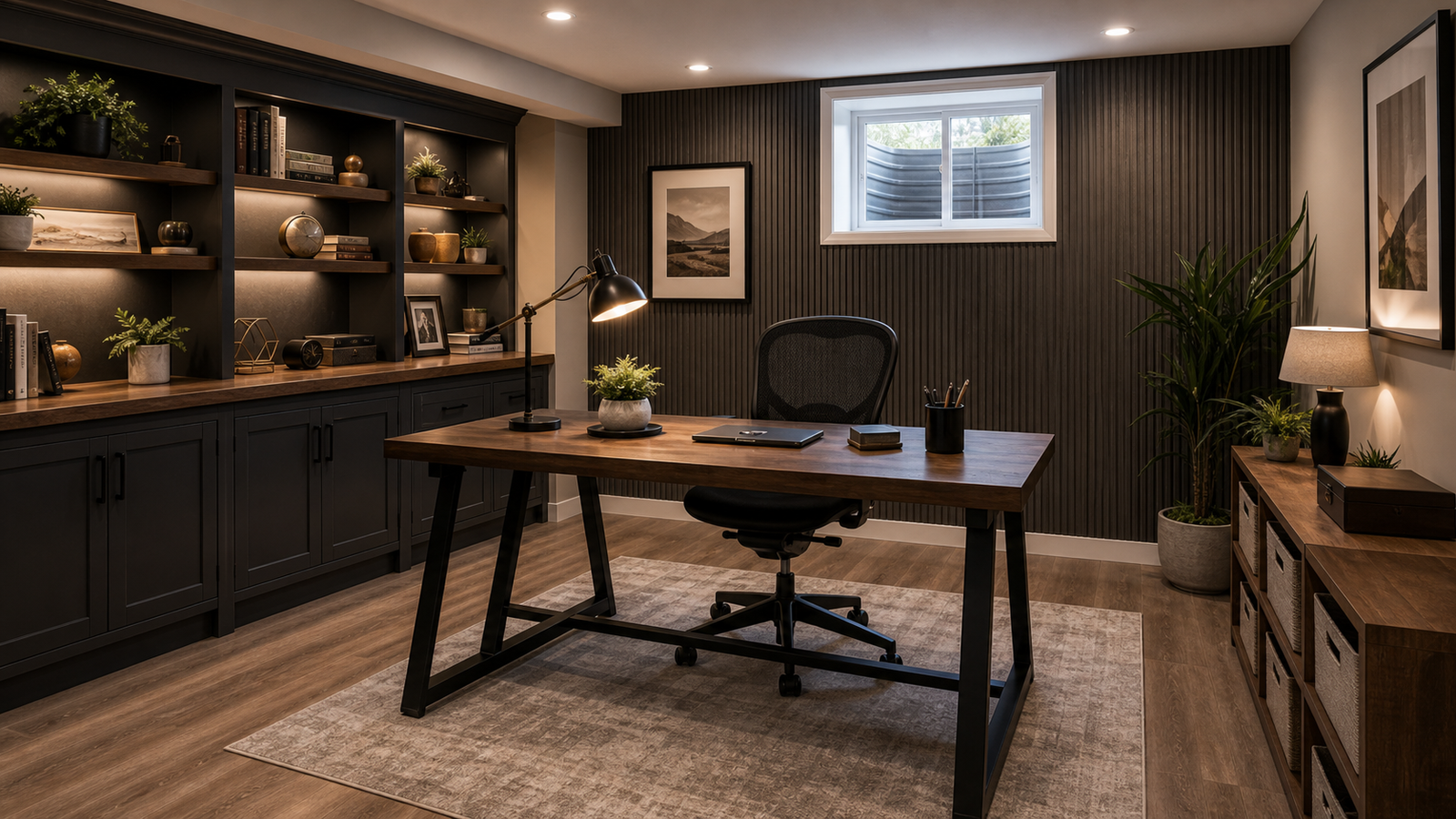
Home Office or Study
The basement's quiet and separation from household traffic make it a focused place to work or read. Plan ample task lighting to offset limited daylight, add insulation for a quiet, comfortable environment, and build in shelving for books and supplies. A dedicated circuit for equipment keeps things running smoothly.
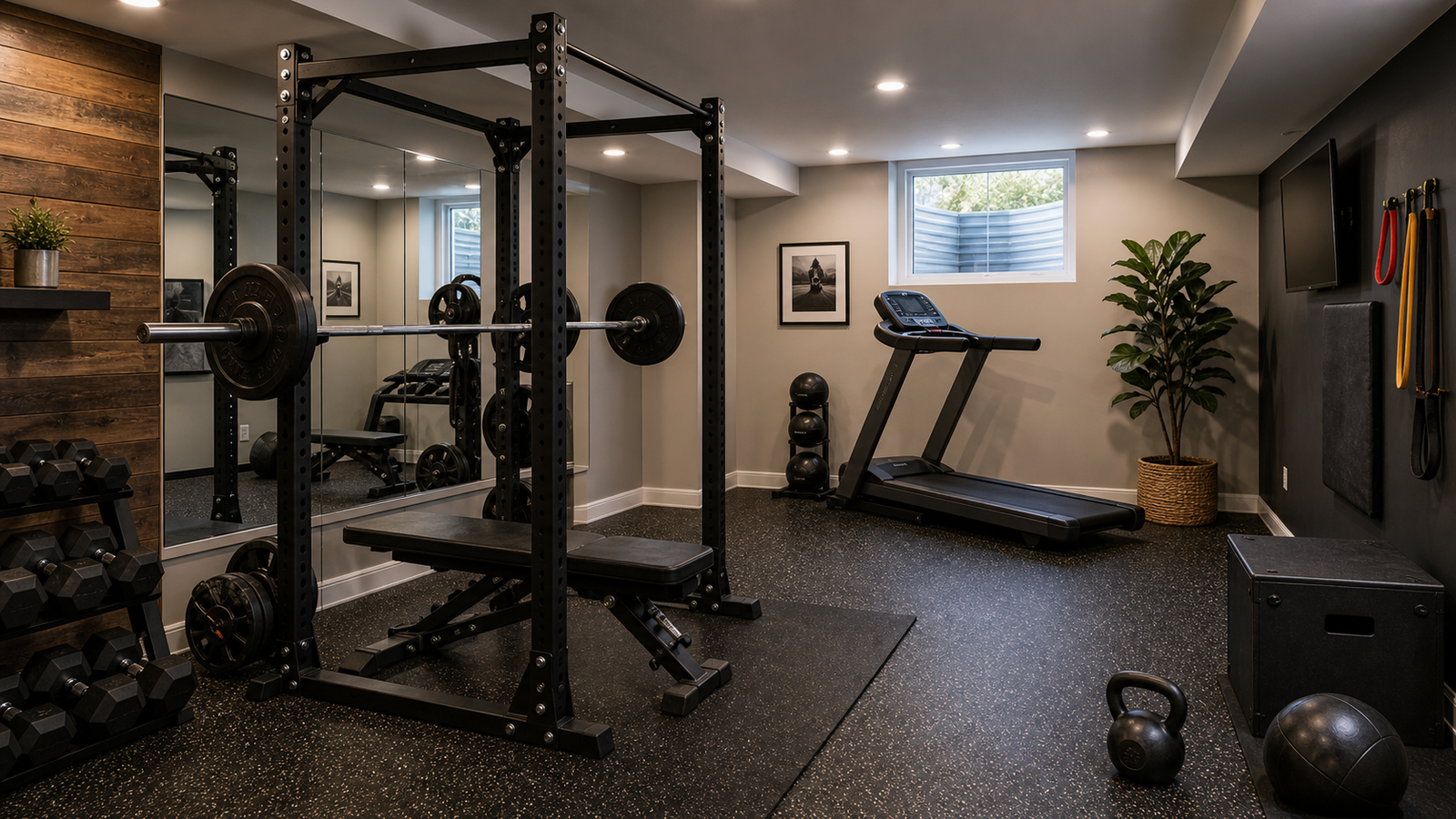
Home Gym
An open basement floor is perfect for a home gym. Durable rubber or epoxy flooring protects the slab and cushions equipment, mirrors make the space feel larger, and good ventilation keeps it fresh. Leave clear zones for cardio, strength, and stretching.
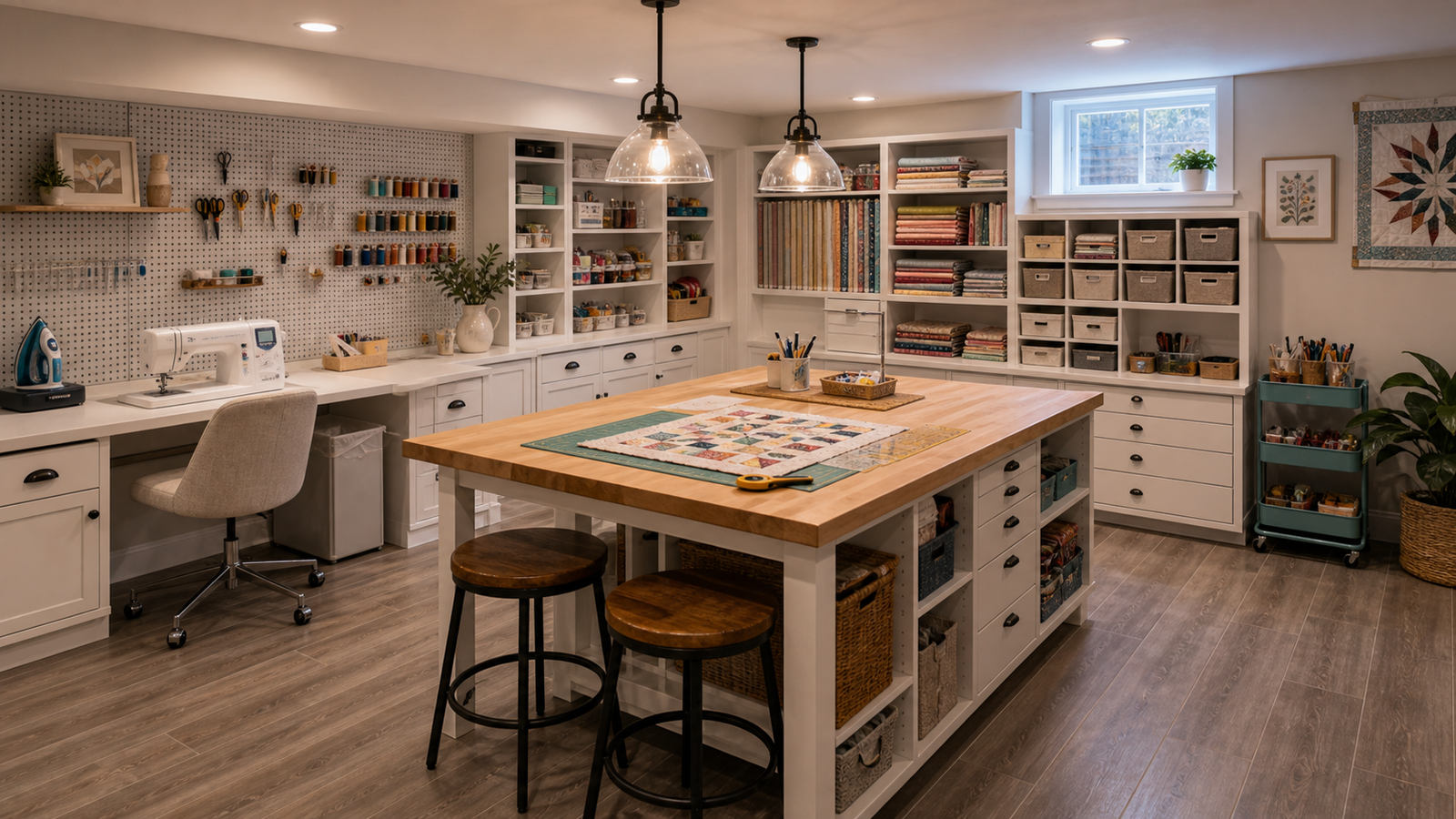
Craft, Hobby, or Sewing Studio
A basement makes a wonderful studio for sewing, crafts, art, or tabletop games like chess and puzzles. Set up a trestle or worktable with strong task lighting, organized storage for supplies, and — if you sew or design for others — a small, tidy area where clients can come for fittings. The seclusion lets you leave projects out between sessions.
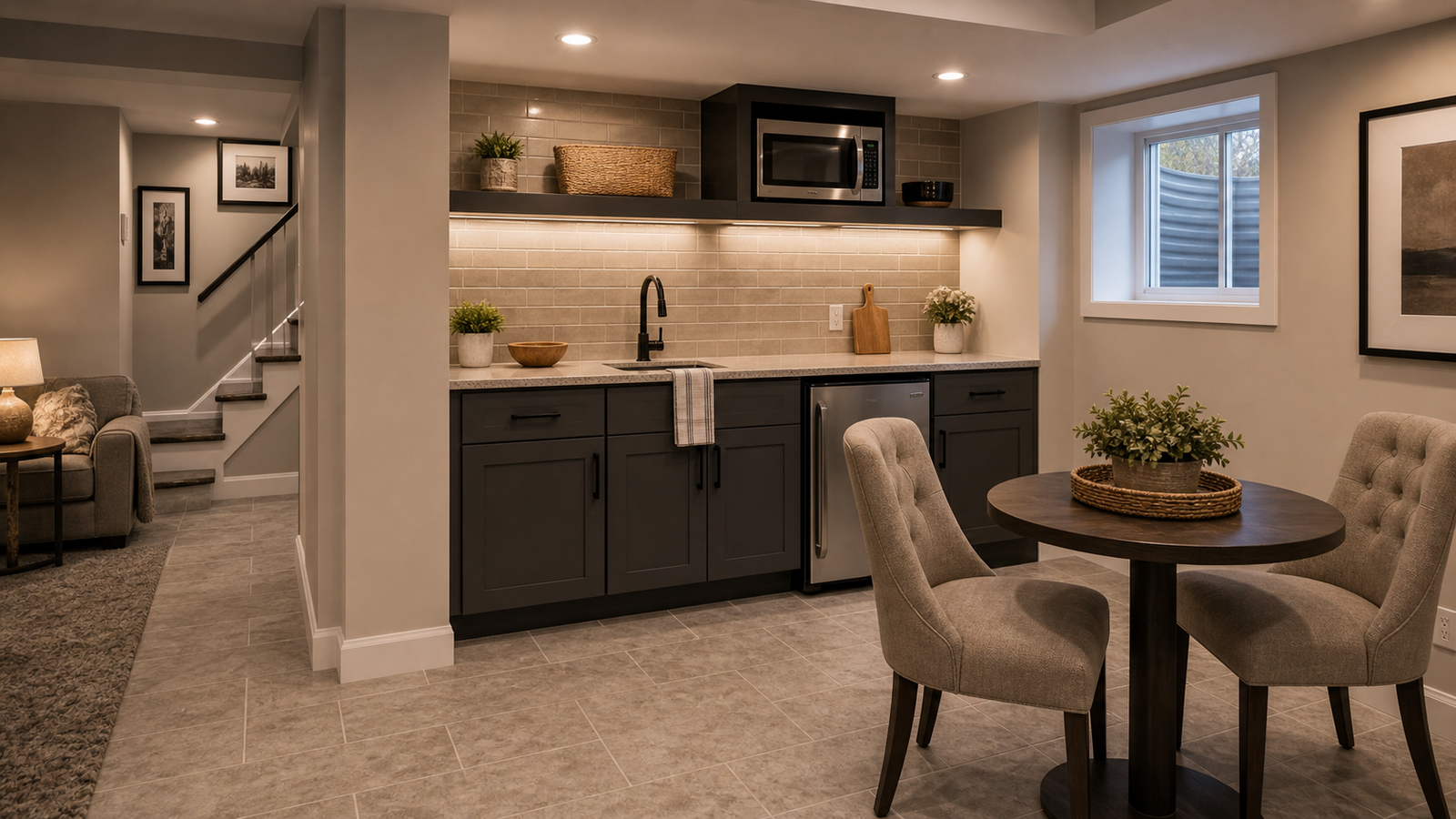
Small Kitchenette or Hospitality Space
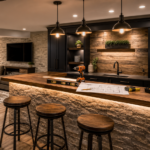
A compact kitchenette turns the basement into a self-sufficient hospitality zone, handy alongside a guest suite or media room. Bright, even lighting is essential so the space is pleasant and safe to prep in, and right-sized, well-fitting cabinets keep a small footprint from feeling crowded.
Match the Idea to Your Household
Not sure where to start? Use this quick matcher based on what your home needs most:
| If you want to... | Consider a... | Plan especially for... |
|---|---|---|
| Host movie and game nights | Home theater / game room | Soundproofing, dimmable lighting, soft floors |
| Make room for guests | Guest room or suite | Egress window, bathroom, warm flooring |
| Give kids space to play | Playroom | Cushioned floors, storage, open sightlines |
| Work or study in peace | Home office | Task lighting, insulation, dedicated circuit |
| Get fit at home | Home gym | Rubber/epoxy floors, ventilation, mirrors |
| Pursue a hobby or craft | Craft or sewing studio | Worktable, task lighting, supply storage |
Bringing Your Basement Design Together
Whatever you choose, let one clear purpose guide the lighting, layout, and materials so the finished room feels intentional rather than improvised. Interior-design bodies like the American Society of Interior Designers (ASID) emphasize that a consistent concept is what makes a space feel finished, and that holds just as true below grade. Coordinate wall color, flooring, and furniture around the room's function, and do not be afraid to borrow ideas from photos you love.
With a little patience and creativity, your basement can shift from a storage dumping ground into a calm, welcoming retreat — a private hideout where you can relax, work, play, or host, away from the hubbub of the rest of the house.
Frequently Asked Questions
What is the most popular use for a finished basement?
Media rooms and home theaters are among the most popular because the basement's low natural light and separation from the rest of the house create an ideal viewing environment. Guest rooms, playrooms, and home gyms are also common favorites.
Do I need a permit to finish my basement?
Usually yes. Framing, new electrical circuits, and plumbing typically require permits and inspections, and creating a bedroom adds egress requirements. Cosmetic-only work like paint may be exempt. Always confirm with your local building department.
Can a basement room be a legal bedroom?
Yes, if it meets code. A basement sleeping room generally needs a compliant emergency escape and rescue opening (egress window or door), adequate ceiling height, light, ventilation, and heat. Without proper egress, a room cannot count as a legal bedroom.
How do I keep a finished basement from feeling damp?
Control moisture before and after finishing: fix leaks, add cross-ventilation or mechanical ventilation, run a dehumidifier if needed, and choose moisture-tolerant materials. Test for radon while you are at it, since it concentrates below grade.
Should I use paneling or drywall on basement walls?
Drywall over proper framing is the better choice. It produces solid walls you can paint or wallpaper and that hold shelves and décor, whereas thin paneling alone feels flimsy. You can always panel over drywall later if you prefer that look.
Keep planning your basement with our related guides:
finished basement ideas, best flooring for basements, and basement bedroom ideas.